This is a SEO version of Journal of Laser Dentistry 1. Click here to view full version
« Previous Page Table of Contents Next Page »significantly reduce pain, and evidence supporting the use of other topical anesthetics is very limited though some individuals may find them effective. In general their role is limited; their duration of effectiveness is generally short and does not provide pain control throughout the day; the medications may cause complications in children.
Evidence is limited for the use of antimicrobial mouthwashes but suggests that they may reduce the painfulness and duration of ulcers and increase the number of days between ulcerations, without reducing the number of new ulcers.
Milk of magnesia is useful against aphthous ulcers when used topically.
Corticosteroid preparations containing hydrocortisone hemisuccinate or triamcinolone acetonide to control symptoms are effective in treating aphthous ulcers.
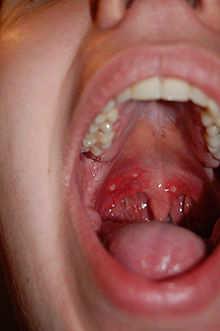
The application of silver nitrate will cauterize the sore; a single treatment reduces pain but does not affect healing time. though in children it can cause tooth discoloration if the teeth are still developing. The use of tetracycline is controversial, as is treatment with levamisole, colchicine, gamma-globulin, dapsone, estrogen replacement and monoamine oxidase inhibitors.
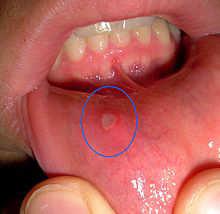
While commonly used, Magic mouthwash, a combination of a number of ingredients including viscous lidocaine, benzocaine, milk of magnesia, kaolin-pectate, chlorhexidine, or diphenhydramine, has little evidence to support its use in the treatment of aphthous ulcers.
Laser treatment is very easy and successful
This is a SEO version of Journal of Laser Dentistry 1. Click here to view full version
« Previous Page Table of Contents Next Page »