This is a SEO version of Journal of Laser Dentistry 1. Click here to view full version
« Previous Page Table of Contents Next Page »is derived from the Greek word stoma that means "mouth".
Signs and symptoms
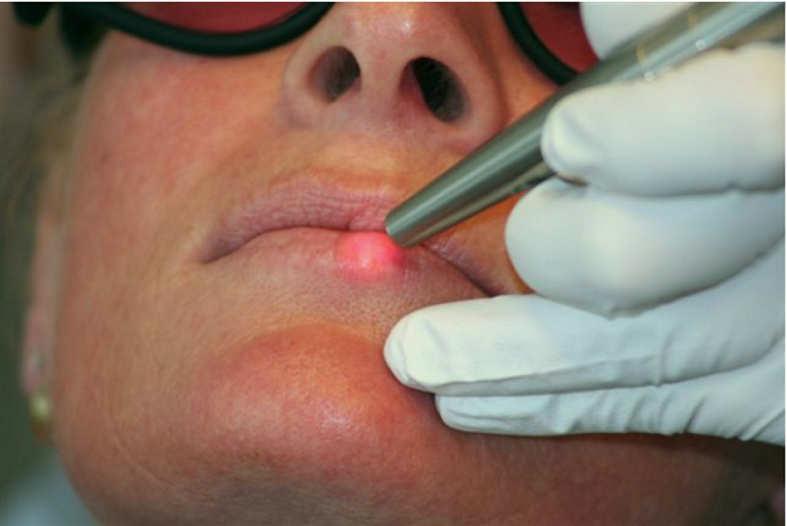
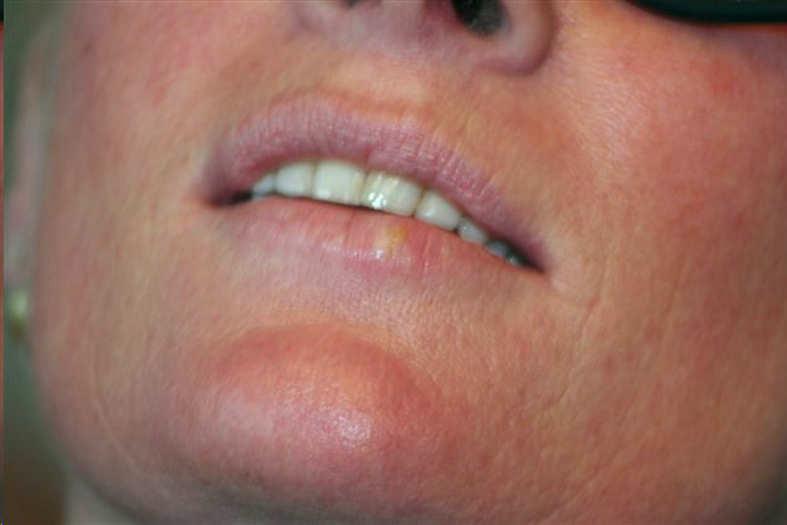
Herpes infections often show no symptoms; when symptoms do appear they typically resolve within two weeks. The main symptom of oral infection is inflammation of the mucosa of the cheek and gums—known as acute herpetic gingivostomatitis -- which occurs within 5–10 days of infection. Other symptoms may also develop, including headache, nausea, dizziness and painful ulcers—sometimes confused with canker sores—fever, and sore throat. Primary HSV infection in adolescents frequently manifests as severe pharyngitis with lesions developing on the cheek and gums. Some individuals develop difficulty in swallowing (dysphagia) and swollen lymph nodes (lymphadenopathy). Primary HSV infections in adults often results in pharyngitis similar to that observed in glandular fever (infectious mononucleosis), but gingivostomatitis is less likely.
Hypersensitivity
Dentine hypersensitivity
Dentine hypersensitivity is sensation felt when the nerves inside the dentin of the teeth are exposed to the environment. The sensation can range from irritation all the way to intense, shooting pain. This sensitivity can be caused by several factors, including wear, decaying teeth or exposed tooth roots.
Dentine contains many thousands of microscopic tubular structures that radiate outwards from the pulp; these dentinal tubules are typically 0.5-2 microns in diameter. Changes in the flow of the plasma-like biological fluid present in the dentinal tubules can trigger mechanoreceptors present on nerves located at the pulpal aspect thereby eliciting a pain response. This hydrodynamic flow can be increased by cold, air pressure, drying, sugar, sour (dehydrating chemicals), or forces acting onto the tooth. Hot or cold food or drinks, and physical pressure are typical triggers in those individuals with teeth sensitivity.
Treatment can consist of amorphous calcium and phosphate, NovaMin, potassium nitrate, strontium chloride, gluma, fluoride therapy, calcium sodium phosphosilicate or Laser therapy.
Potassium nitrate is commonly used in toothpastes such as Sensodyne or Crest Sensitive as a remedy and is approved as a monographed drug by the FDA. Nonetheless, there remains some dispute about its effectiveness. Strontium chloride and strontium acetate are used in Sensodyne Original and Sensodyne Mint toothpastes. The mode of action is linked to their ability to form mineralised deposits within the tubule lumen and on the surface of the exposed dentine that help prevent transmission of the applied stimulus.
This is a SEO version of Journal of Laser Dentistry 1. Click here to view full version
« Previous Page Table of Contents Next Page »