This is a SEO version of Microsoft Word - Journal of Physics.doc. Click here to view full version
« Previous Page Table of Contents Next Page »The light
A prism decomposes the light
Light, which exists in tiny "packets" called photons, exhibits properties of both waves and particles. This property is referred to as the wave–particle duality. The study of light, known as optics, is an important research area in modern physics..
Light is electromagnetic radiation, particularly radiation of a wavelength that is visible to the human eye (about 400–700 nm, or perhaps 380–750 nm[1]). In physics, the term light sometimes refers to electromagnetic radiation of any wavelength, whether visible or not
The light as all the electromagnetic waves, interact with the matter. The most common phenomenon’s observable are:
Absorption

Absorption
(electromagnetic radiation)
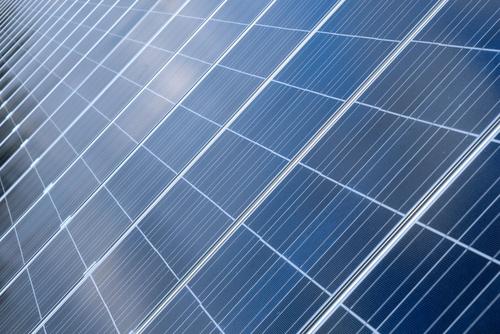
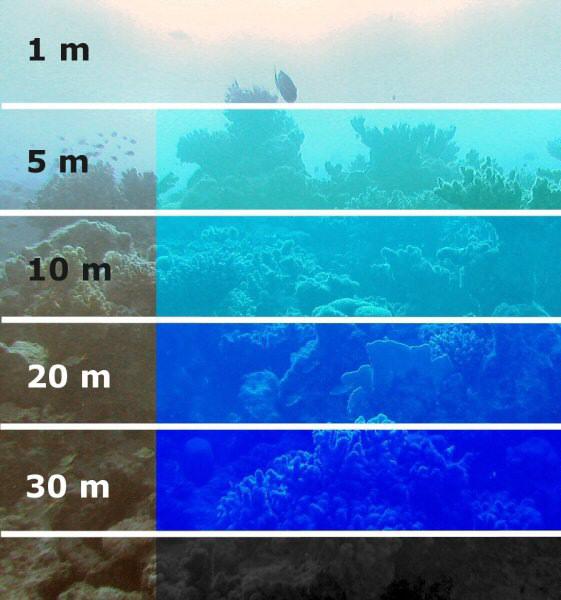
In physics, absorption of electromagnetic radiation is the way by which the energy of a photon is taken up by matter, typically the electrons of an atom. Thus, the electro-magnetic energy is transformed to other forms of energy for example, to heat. The absorption of light during wave propagation is often called attenuation. Usually, the absorption of waves does not depend on their intensity (linear absorption), although in certain conditions (usually, in optics), the medium changes its transparency dependently on the intensity of waves going through, and the Saturable absorption (or nonlinear absorption) occurs.
This is a SEO version of Microsoft Word - Journal of Physics.doc. Click here to view full version
« Previous Page Table of Contents Next Page »