This is a SEO version of Journal of Laser Dentistry 1. Click here to view full version
« Previous Page Table of Contents Next Page »Laser Setting
Diode Laser 810nm
Power: 2.5 Watt,
Pulsed 50 Hz
Fibre 400 micron
Sialolithiasis
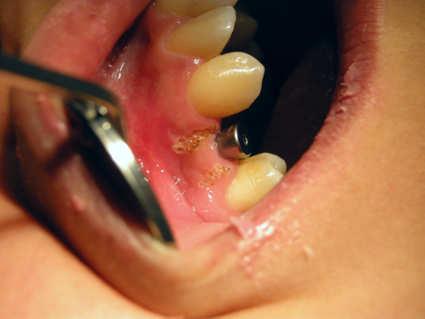
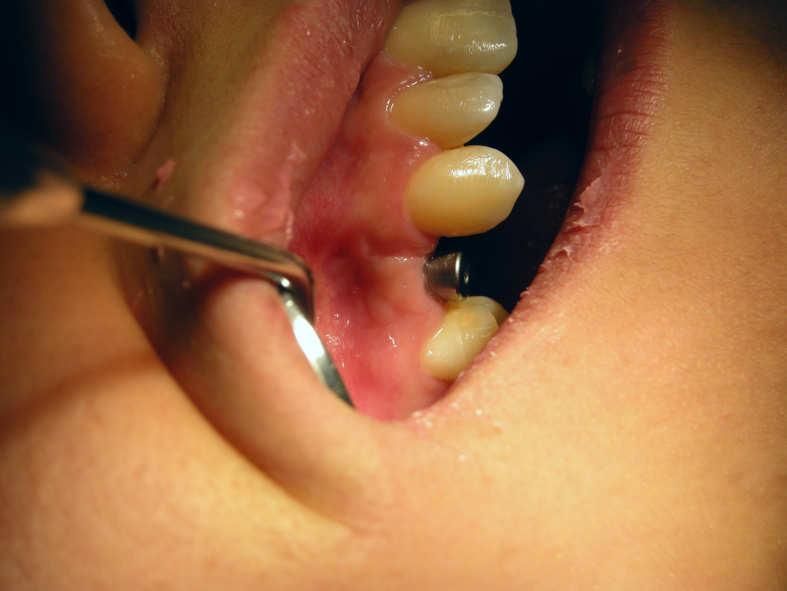
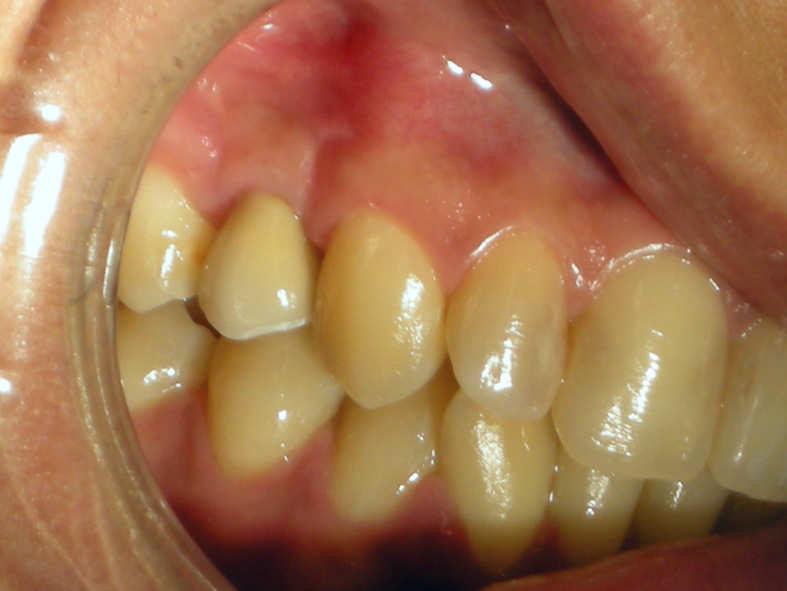
Sialolithiasis refers to the formation of stones in the salivary glands. Stones are most commonly found in the submandibular gland, where stones can obstruct Wharton's duct. It is frequently associated with chronic infection (Staphylococcus aureus, Streptococcus viridans) of the glands, dehydration (phenothiazines), Sjögren's syndrome and/or increased local levels of calcium, but in many cases can arise idiopathically. Pain, when present, usually originates from the floor of the mouth, although in many cases the stones cause only intermittent swelling.
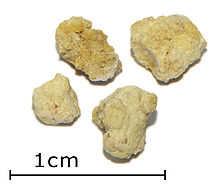
Since chewing promotes release of saliva, symptoms tend to increase during meals. A palpable lump or visible swelling in the area of the gland is often noted.
Complications include persistent obstruction of the duct, leading to bacterial invasion, overgrowth and infection (sialoadenitis). This can require IV antibiotics such as nafcillin, and sometimes surgical drainage.
This is a SEO version of Journal of Laser Dentistry 1. Click here to view full version
« Previous Page Table of Contents Next Page »