This is a SEO version of Journal of Laser Dentistry 1. Click here to view full version
« Previous Page Table of Contents Next Page »Oral surgery
Oral Surgery is a recognized international specialist training course in dentistry. It is the specialty of dentistry that includes the diagnosis, surgical and related treatment of diseases, injuries and defects involving both the functional and esthetic aspects of the hard and soft tissues of the head, mouth, teeth, gums, jaws and neck.
It involves, but is not limited to: wisdom teeth removal, apicoectomy, TMJ disorder, facial trauma, corrective jaw surgery, oral pathology, dental implants, osseous tissue surgery, anesthesia and bone grafts.
In many areas of the world it is separate from Oral and Maxillofacial surgery (OMS, OMFS, or "Maxfacs"), which is a unique specialty usually requiring both medical and dental qualifications.
Oral surgery as a specialty is defined in Europe under dental. It requires 3 years of further University training after a formal qualification in Dentistry.
The Directive 2001/19/EC also distinguishes Oral Surgery from other evidence of formal qualifications in specialized Medicine, such as Oral and Maxillofacial Surgery, which requires both medical and dental training in the European Union.
However, it is important to note that, in the United States, there is no such equivalent dental specialist to the European "oral surgeon". Based on the scope of practice in the United States, "oral surgeons" are those who, internationally, would be more appropriately described as "oral and maxillofacial surgeons".
In 2007 the United Kingdom's General Dental Council transferred dentists on the specialist list in Surgical Dentistry to a reconfigured Oral Surgery list.
Laser Setting
Surgery - Disinfection . Biostimulation
Diode Laser 810nm
Power: 2.5Watt, CW
Fibre 400 micron
1
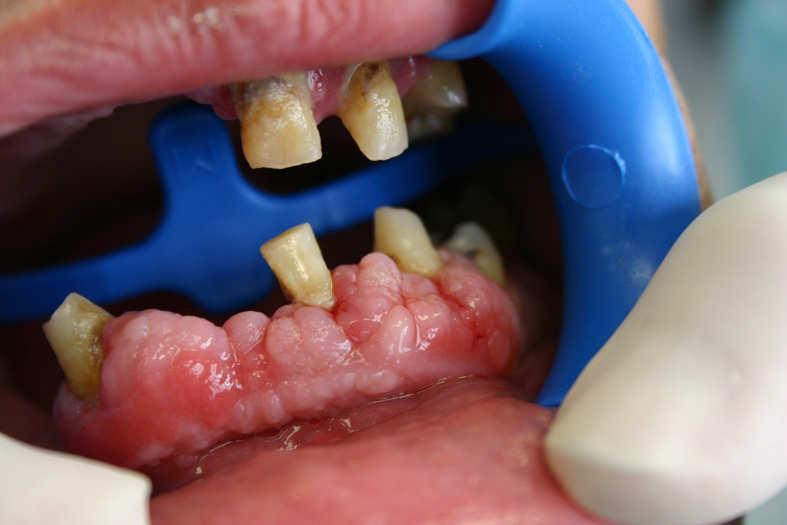
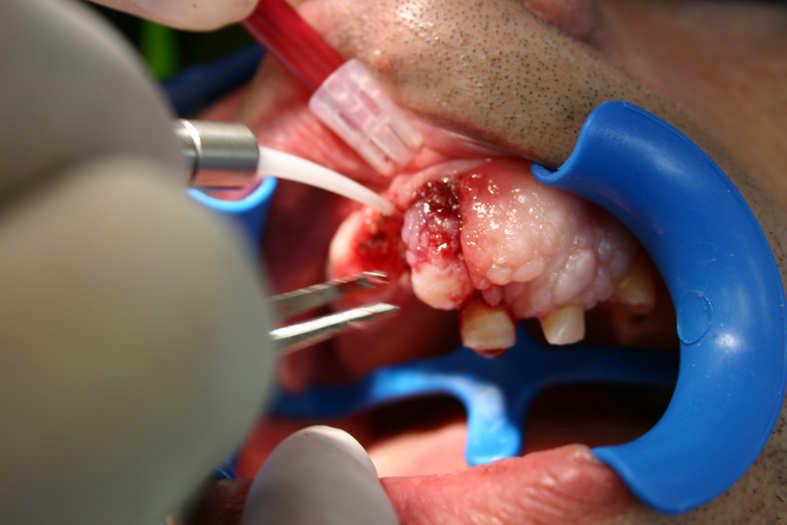
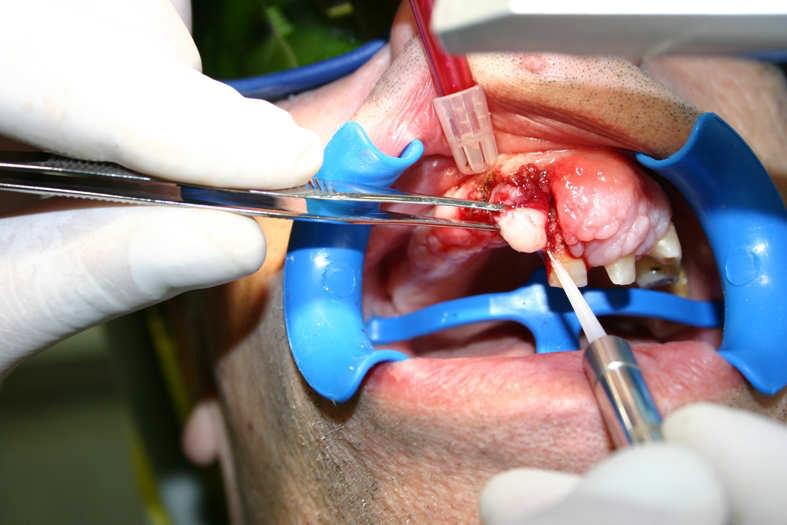
Prof. Alfred Resch
This is a SEO version of Journal of Laser Dentistry 1. Click here to view full version
« Previous Page Table of Contents Next Page »